Why STEM?
Why STEM Matters
STEM stands for Science, Technology, Engineering and Maths, but in practice it goes much further than four curriculum boxes. Through hands‑on projects and real‑world challenges, children learn to ask questions, test ideas and understand how the world around them actually works. In a world shaped by technology and rapid change, those habits of curiosity, problem‑solving and adaptability are as important as facts and formulas.
STEM isn’t just a set of subjects – it’s a way of thinking that prepares children for whatever the future throws at them.
Skills for Life, Not Just the Classroom
High‑quality STEM education develops a whole toolkit of transferable skills: critical thinking, systematic problem‑solving, resilience when things go wrong, and the confidence to try again. Working in teams on shared challenges also builds communication, collaboration and the ability to listen, compromise and explain ideas clearly – skills children will need in every subject and every future career, not just in science labs.

The Power of Deep Dives
At STEM Fun, children don’t just skim the surface of a topic; they get to dive in. Building a robot, designing a product in CAD or turning a plastic bottle into 3D‑printer filament takes time, iteration and attention to detail, which stretches keen young minds far beyond a quick worksheet task. That deeper experience helps concepts stick and shows pupils that persistence, tinkering and careful improvement are what lead to real progress – exactly the mindset they need for higher‑level study later on.
A Head Start for Later Education
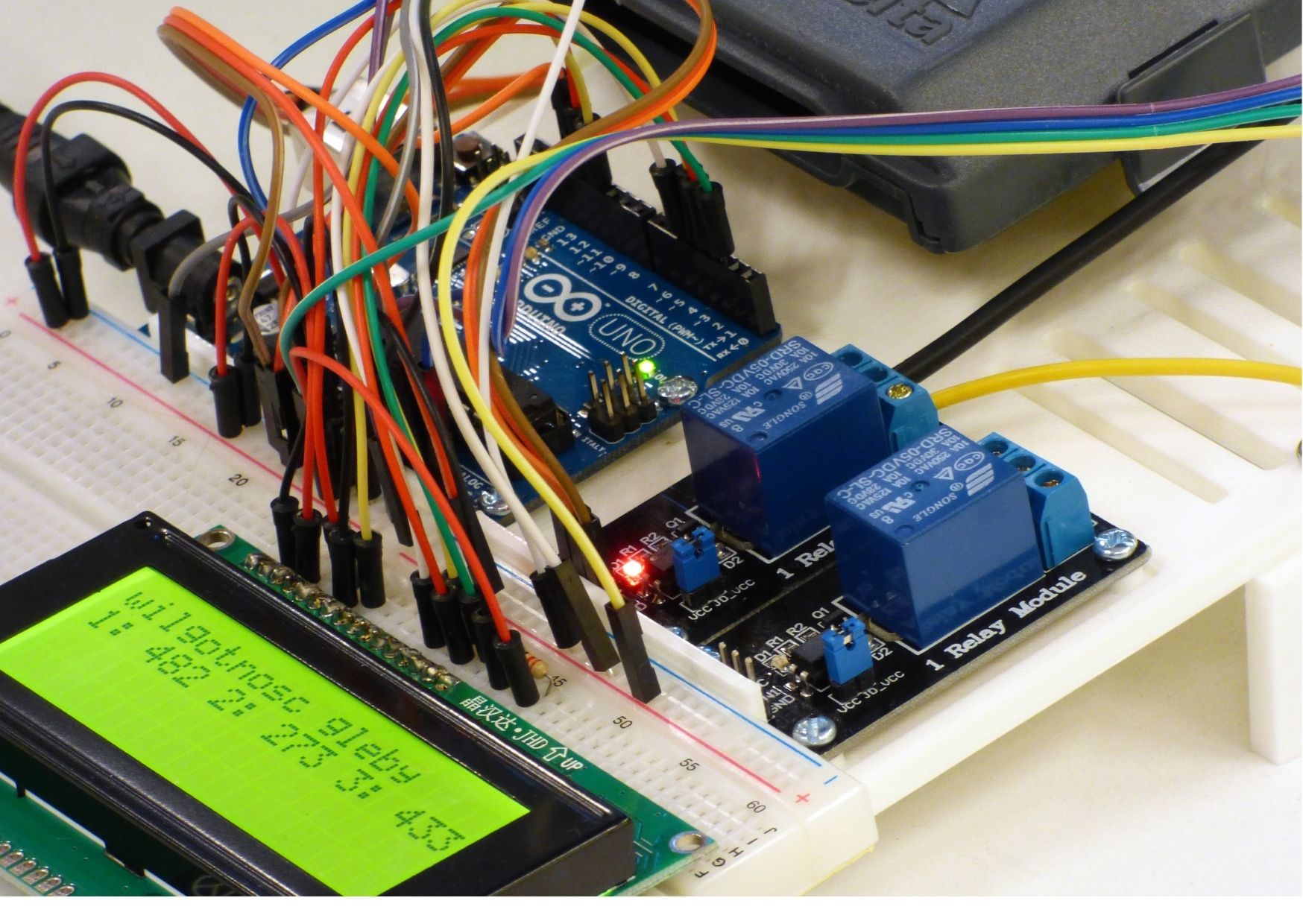
Early, enjoyable experience with coding, electronics, data, design and engineering gives children a real head start when they meet these ideas again in secondary school and beyond. Pupils who have already built and programmed robots, used real coding languages or modelled objects in CAD arrive in KS3 and GCSE lessons with confidence, familiarity and a sense of “I can do this,” rather than anxiety about something completely new. Over time, early STEM learning is associated with stronger performance in maths and science and better preparation for the kinds of courses and careers that are in highest demand.
Growing Interests into Futures
Childhood is the ideal time to discover what you love. Early STEM experiences help children notice whether they are drawn to building, coding, designing, problem‑solving, investigating or explaining. Those sparks of interest can grow into GCSE choices, college courses and, eventually, fulfilling careers in areas ranging from engineering and healthcare to digital media and environmental science. Even for children who never choose a STEM career, the curiosity, confidence and analytical thinking they develop will support them in whatever path they take.
Why Hands‑On Learning Matters
At STEM Fun we believe children learn best when they don’t just hear about ideas – they do something with them. As the famous saying puts it, “Tell me and I forget, teach me and I may remember, involve me and I learn.” Hands‑on activities turn abstract ideas into things children can see, touch and change, which makes the learning far more memorable.
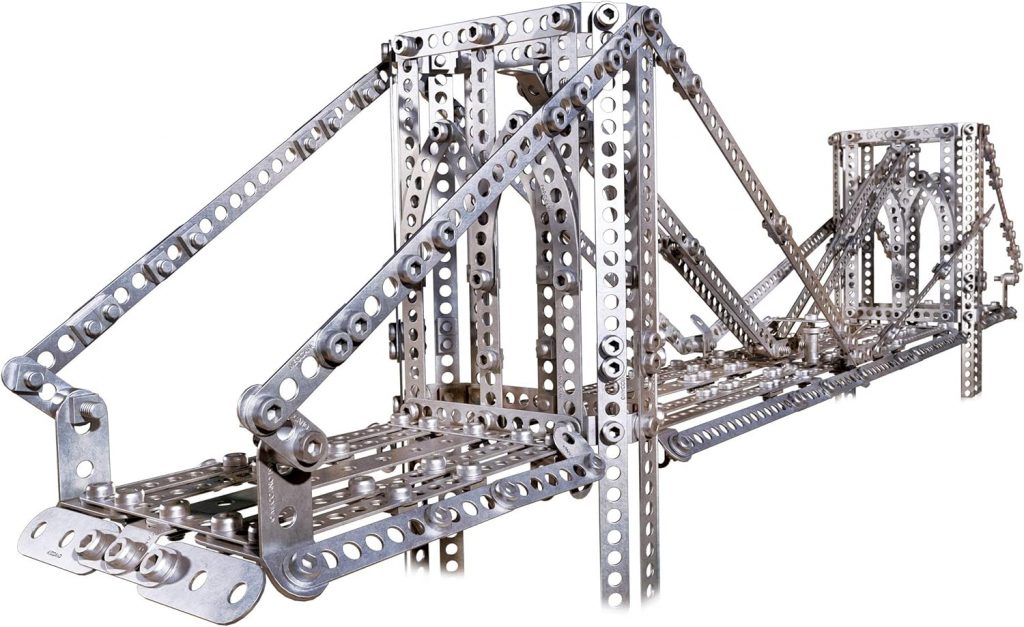
When pupils build a robot, wire a circuit or design and print a real object, they engage multiple senses, make decisions and see the results of their choices right in front of them. This active involvement strengthens understanding, improves long‑term recall and gives children a powerful sense of “I made this work,” which builds confidence as well as knowledge. That is why every STEM Fun course is built around practical projects, not just worksheets and slides.